

Published November 4, 2026
If your employer has not paid wages, overtime, vacation pay or other minimum entitlements, you may be able to file a complaint with British Columbia’s Employment Standards Branch. The online process is free and takes about 15 minutes to complete. This guide explains how to file an employment standards complaint in British Columbia, what records to gather, and which deadlines to watch.
Start with the official form: BC Employment Standards Branch complaint guidance.
How to file an employment standards complaint in BC
- Check that BC’s Employment Standards Act applies to your job.
- Check the filing deadline, especially if your employment has ended.
- Gather pay statements, schedules, records of hours worked and relevant messages.
- List the wages or other entitlements you believe are outstanding and explain your calculations.
- Submit the complaint through the BC government complaint page.
- Keep a copy of your submission and respond to any request for more information.
Confirm that BC employment standards apply
The Employment Standards Act sets minimum rules for many provincially regulated employees, including rules about wages, overtime, vacation, statutory holidays and payroll records. It does not cover every workplace or worker. Federally regulated workplaces, unionized positions and some occupations may follow different processes or exclusions.
Identify your actual legal employer before filing. A company’s name or connection to a financial institution does not, by itself, settle which employment law applies. For federally regulated jobs, review the federal labour standards complaint process. The BC government’s Solution Explorer can help you identify the right starting point.
Do not miss the filing deadline
If you are still employed, you can generally file while continuing to work. For wage recovery, the usual period reaches back 12 months before the complaint was filed. If your employment has ended, you generally must file within six months of your last day of employment. In that situation, the ordinary wage recovery period generally concerns wages that became payable during the last 12 months of employment.
The six-month filing limit and the 12-month wage recovery period are separate rules. Extensions are possible only in limited circumstances; do not assume one will be granted. See the BC government’s explanations of section 74 and section 80.
Build a clear record of what happened
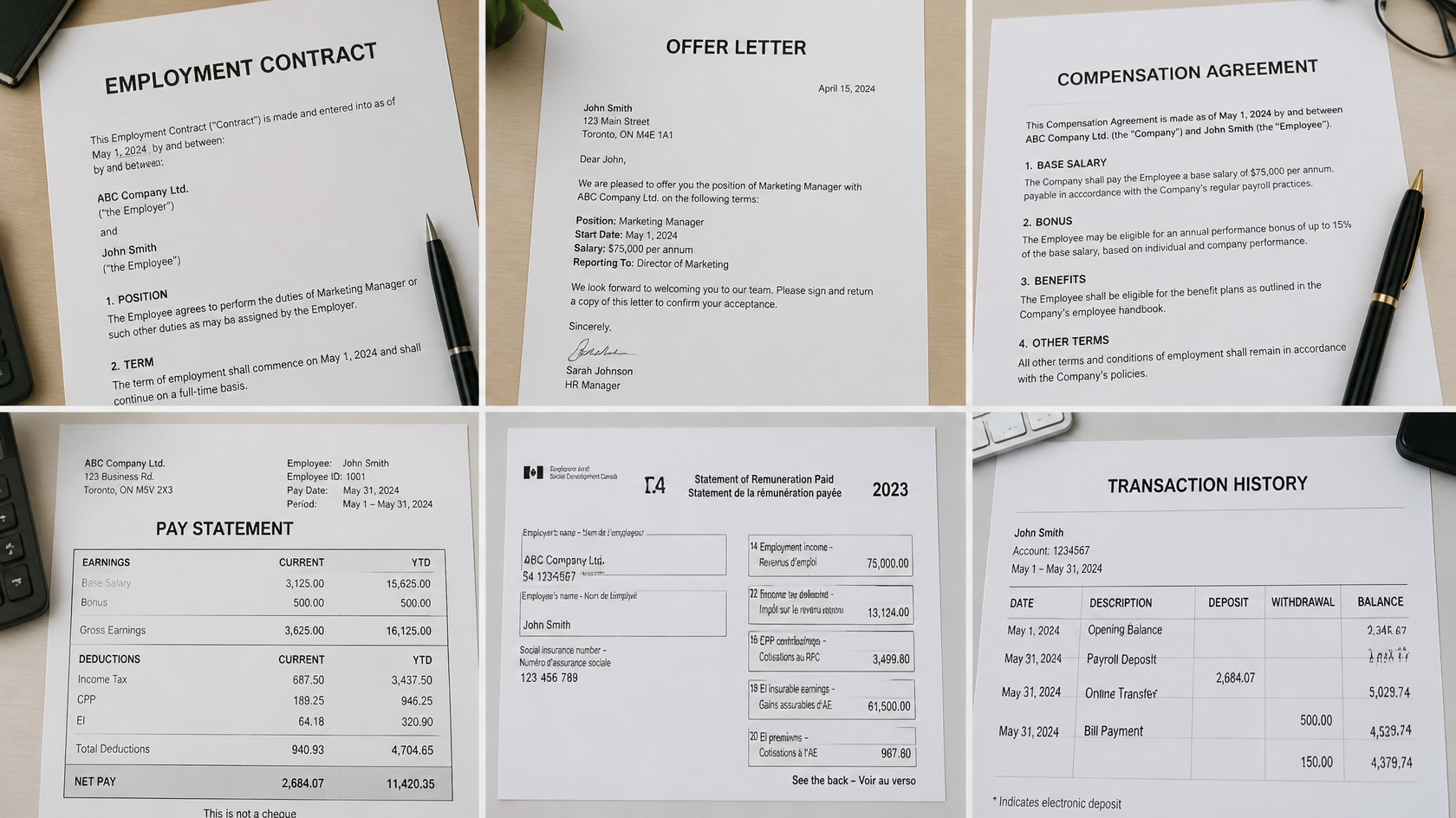
A useful complaint identifies each issue, when it happened, what amount you believe is owing and how you calculated it. Depending on the dispute, collect:
- Your employment contract, offer letter and compensation terms.
- Pay statements, bank deposits, T4 slips and Records of Employment.
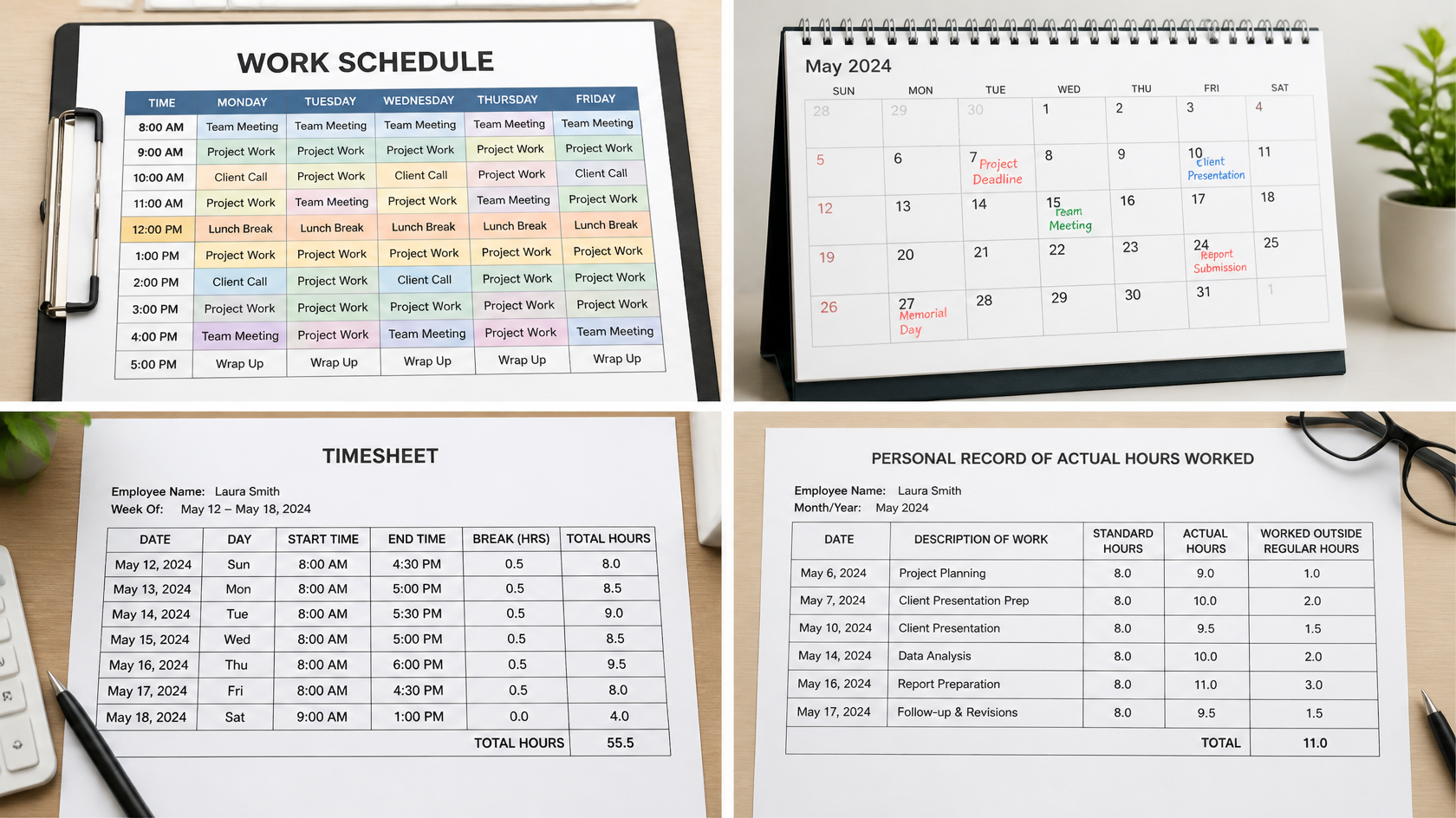
- Schedules, calendars, timesheets and your own daily notes of hours worked.
- Emails or messages showing assignments, deadlines and work performed outside scheduled hours.
- Communications about overtime approval, vacation pay, deductions or final wages.
- Any averaging agreement and the schedule attached to it.
Make a simple chronology with dates, hours, events and supporting documents. If customer or coworker information appears in a record, handle it carefully and disclose only what is necessary and lawful for the complaint.
Understand overtime and employer records
A salary does not automatically remove overtime rights. For employees covered by the ordinary overtime rules, BC generally requires time-and-a-half after eight hours in a day, double-time after 12 hours in a day, and time-and-a-half for qualifying hours beyond 40 in a week. The daily and weekly calculations have rules that prevent counting the same hours twice. Managers and some other workers may be excluded, and valid averaging agreements can change how overtime is calculated. See the BC overtime guidance and manager guidance.
Under section 35, overtime can arise when an employer requires or directly or indirectly allows the work. An employer’s internal approval policy does not alone answer whether statutory overtime is owed. The actual work and circumstances matter. A claimed averaging agreement should also be checked: BC requires specific written terms and signatures before its start date. Read the official averaging agreement rules.
Section 28 requires employers to record the hours each employee works each day, regardless of whether they are paid by the hour, salary or another method. If an employer lacks compliant records, the Employment Standards Branch says it will consider records supplied by the employee when calculating outstanding wages. Employee records still need to be accurate and supported where possible. Read the payroll records guidance.
Submit the complaint and follow the process
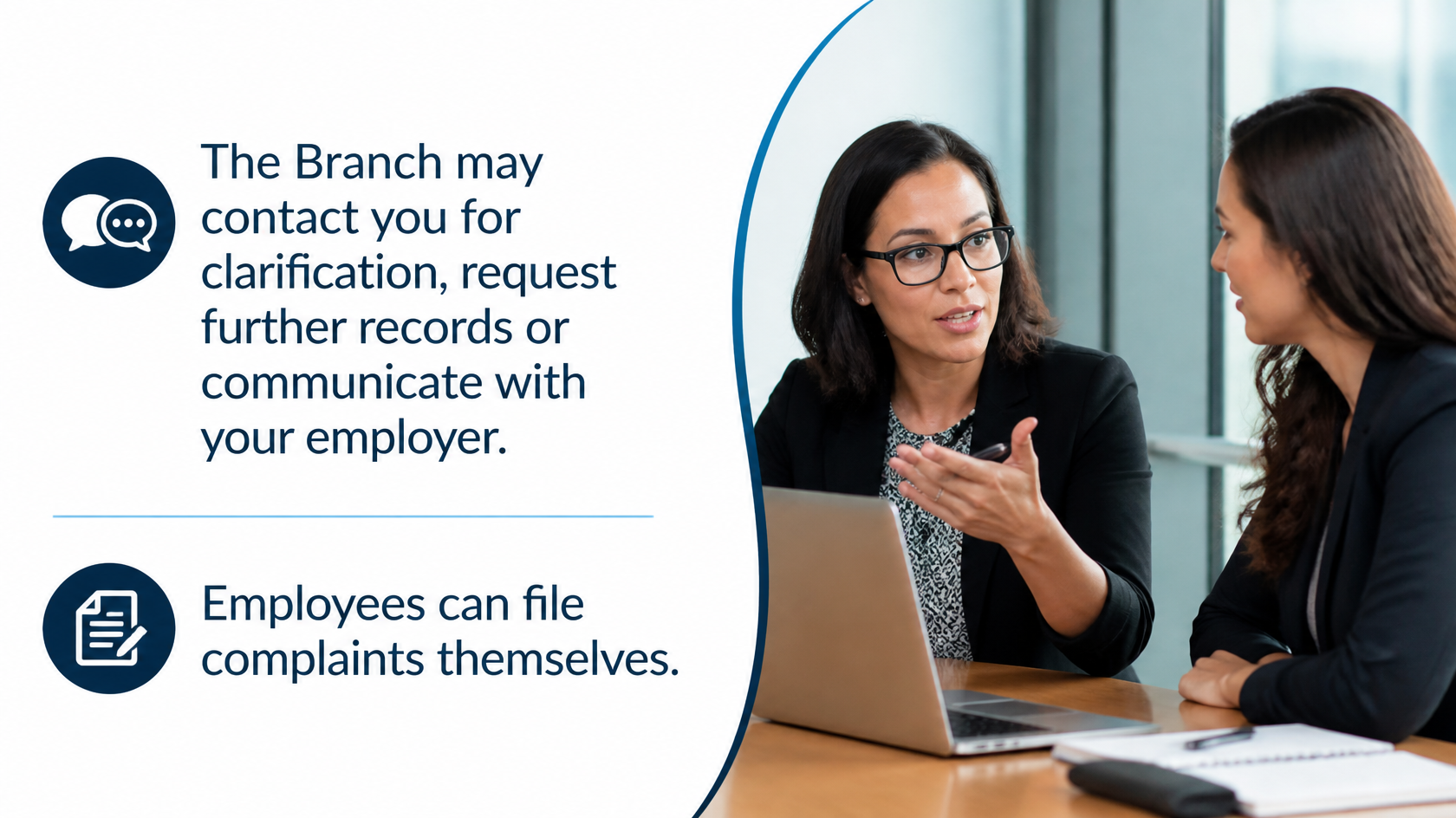
The BC government complaint page links to the online form. There is no filing fee, and employees may submit their own complaints without hiring a lawyer. The Branch may ask for more records, contact the employer, explore voluntary resolution or investigate. A written determination can order wages, interest and applicable penalties if a contravention is established. The process may take several months.
You may request that your identity be withheld from the employer, but confidentiality is not automatic; an investigator may need to discuss whether the complaint can proceed without disclosure. Anonymous information about a possible violation is different from a formal complaint for your own entitlements. The Act also prohibits specified retaliation connected with complaints and investigations. Review the official process and confidentiality guidance.
A 2026 Coast Capital Auto & Equipment Finance example
The BC Employment Standards Branch published violations registry lists four contraventions for Coast Capital Auto & Equipment Finance Ltd. in a determination issued September 18, 2026. The listed sections are 17 (paydays), 18 (payment when employment ends), 28 (payroll records) and 40 (overtime wages). The registry lists a $500 administrative penalty for each contravention. Search the employer name in the registry to see the public entries.
Those are findings of the Director of Employment Standards, not findings about every workplace or employee in the Coast Capital group. The registry does not give the full reasoning or decide separate civil claims. For this site’s account of related proceedings, read the administrative proceedings page.
For background on the guide and the determination, see the related press release.
Common questions
Can I file while still working for the employer?
Generally, yes. The usual 12-month wage recovery window is measured back from the complaint date while employment continues. Ask the Branch about confidentiality if that affects your decision.
Can a salaried employee claim overtime?
Potentially. Salary alone does not decide eligibility. The employee’s actual duties, any statutory exclusion and any valid averaging agreement must be assessed.
What if the employer did not track my hours?
You can still submit a complaint. Provide your own accurate daily records and supporting documents. Employers have a statutory duty to keep daily hours records.
Can a determination be appealed?
Eligible parties may appeal a determination to the BC Employment Standards Tribunal on grounds allowed by law. Read the determination promptly because appeal deadlines are short.
Official resources
- File an employment standards complaint
- BC Employment Standards Act
- BC overtime pay guidance
- BC payroll records guidance
- Published employer violations registry
This article is general information, not legal advice. Employment standards rules and procedures can change. Consult official sources or qualified legal counsel about your circumstances. CoastCapitalLawsuit.com is an independent site and is not affiliated with the BC Employment Standards Branch or the Government of British Columbia.